


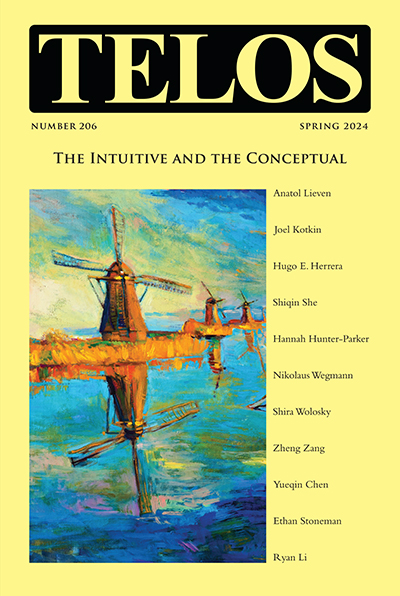
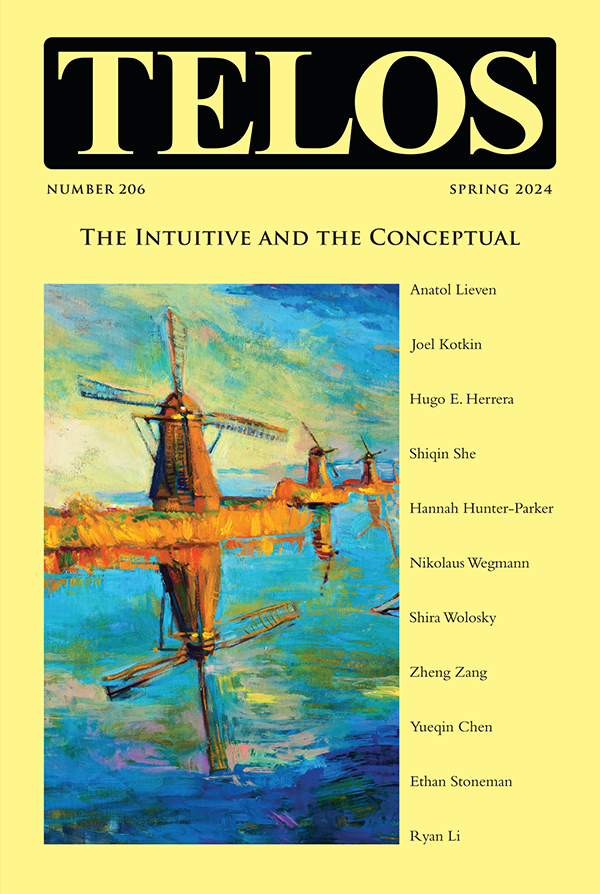
What is an intuition as opposed to a defined concept of something? Are intuitions separate and qualitatively different than concepts? Are they just fuzzy concepts? Do they really exist at all? The essays in Telos 206 explore in one way or another this question of the status of conceptual knowledge as opposed to intuitive awareness.
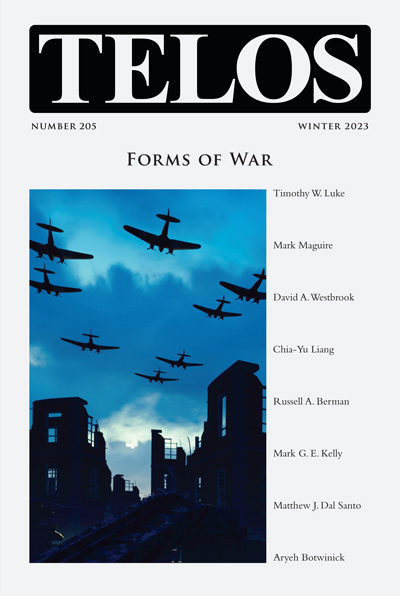
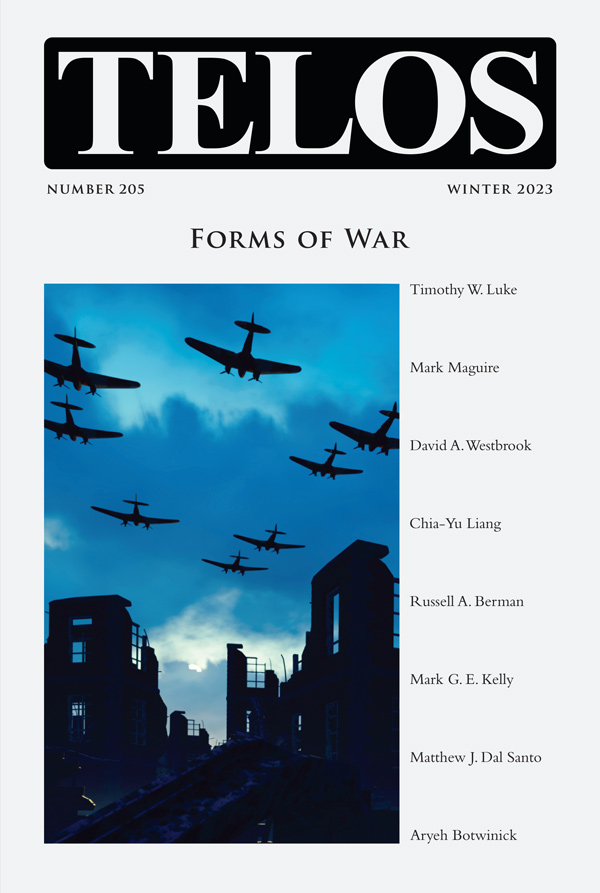
Every war forces us to reconsider the character of war and the forms that it can take. In Telos 205, we consider the different ways of understanding the relationship between conflict and insight in war as well as examples of how the conceptualization of conflict affects the outbreak, progress, and outcome of wars.
In this wide-ranging and incisive new volume, Timothy Luke traces the trajectory of Soviet and post-Soviet geopolitics, from the ideological dynamics of revolutionary Russia through the Cold War and the "War on Terror" to, most recently, Vladimir Putin’s invasion of Ukraine.
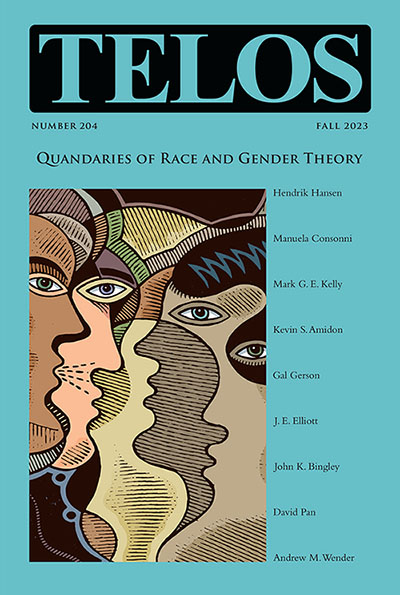
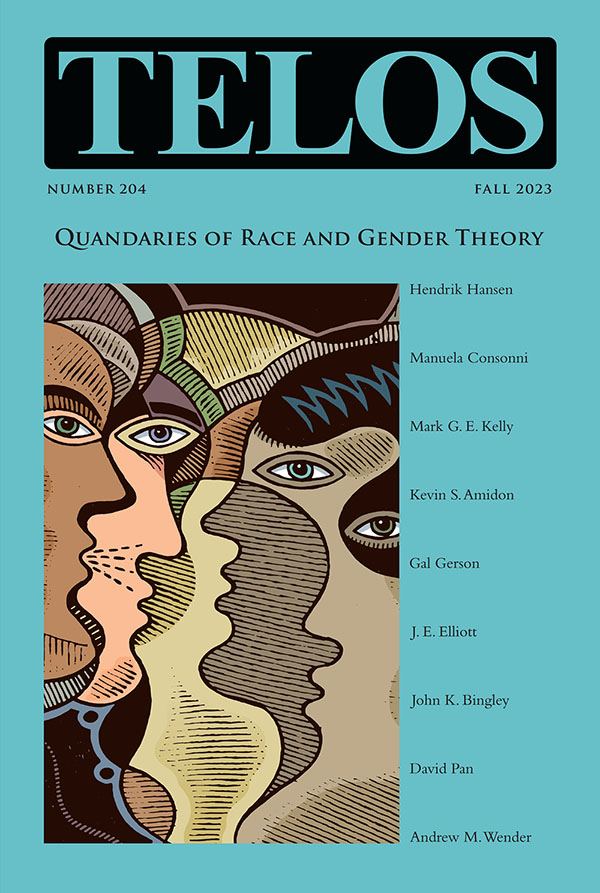
In this issue of Telos, we investigate the theories and ideologies that have transformed the politics of race and gender over the last half century, as well as the quandaries this transformation has given rise to in the present.
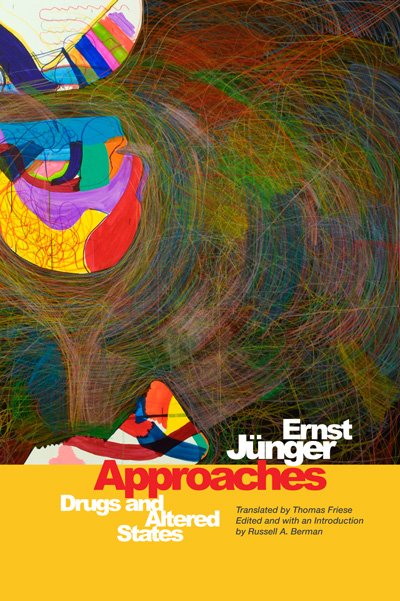
Combining elements of memoir and critical reflection on the history of mind-altering substances in society, Approaches attests to Jünger’s belief that drugs can facilitate a deeper spiritual journey into dimensions of human existence that have been eclipsed by the ambient noise of modern life.

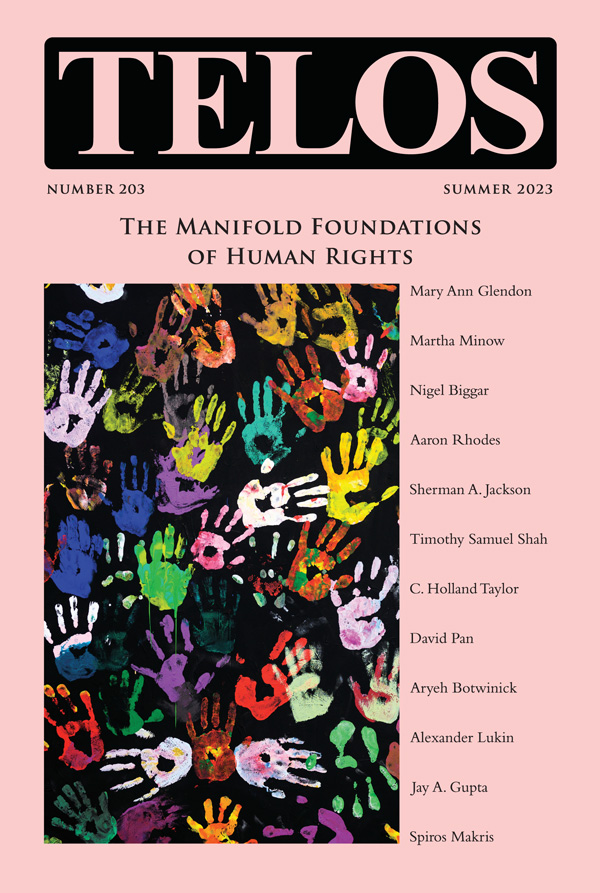
The crucial problem running through the essays in Telos 203 is the difficulty of establishing a unified foundation for human rights given the variety of cultural, legal, moral, and political perspectives that we find in the world regarding the question of how we relate to each other as humans.
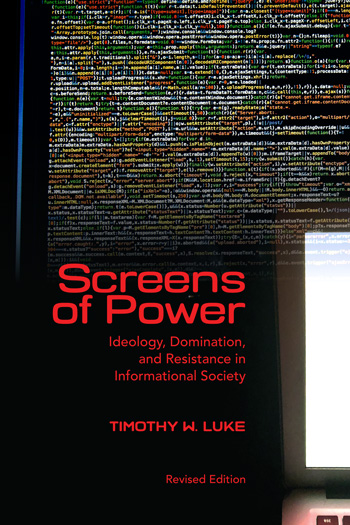
This new edition of Screens of Power reintroduces the innovative critique of informational culture, politics, and society outlined by Timothy W. Luke in Telos and other publications during the late 1970s and early 1980s.


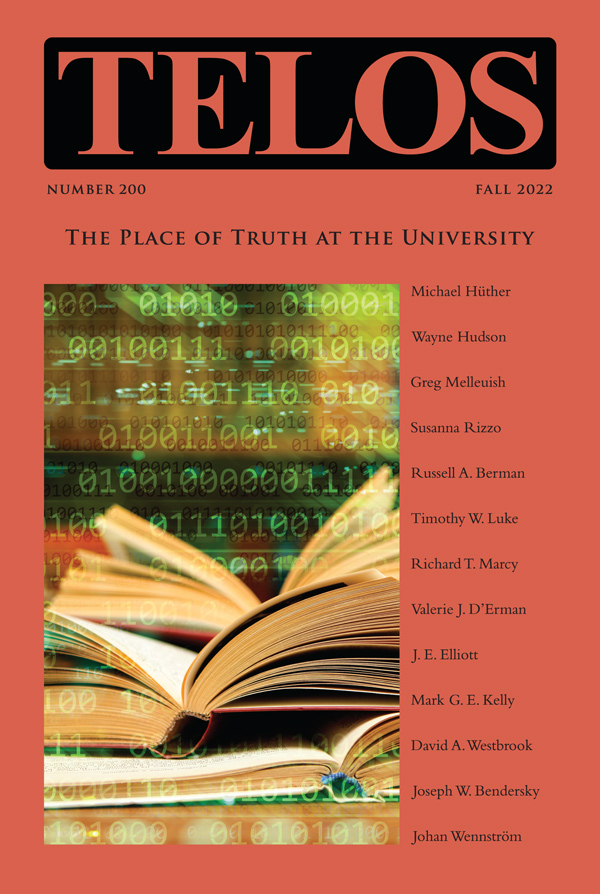
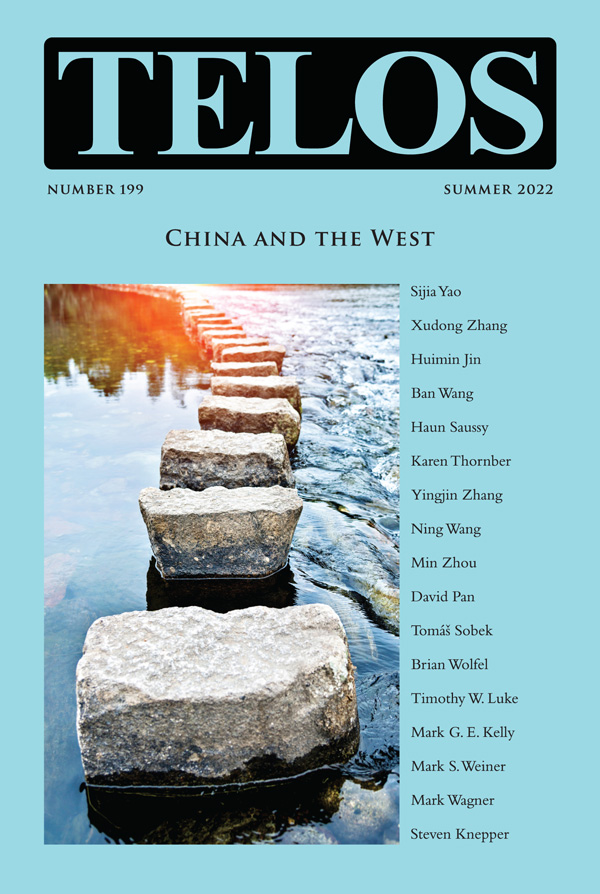
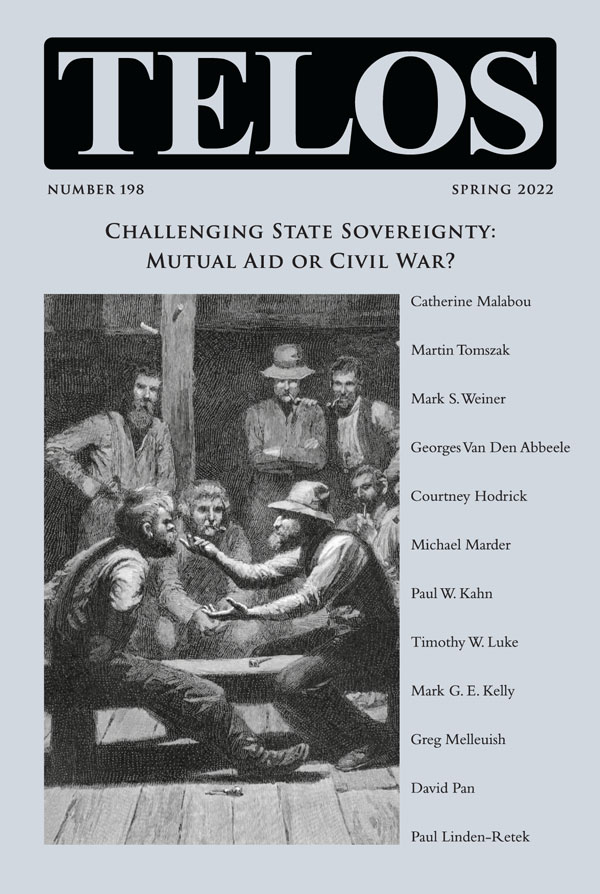
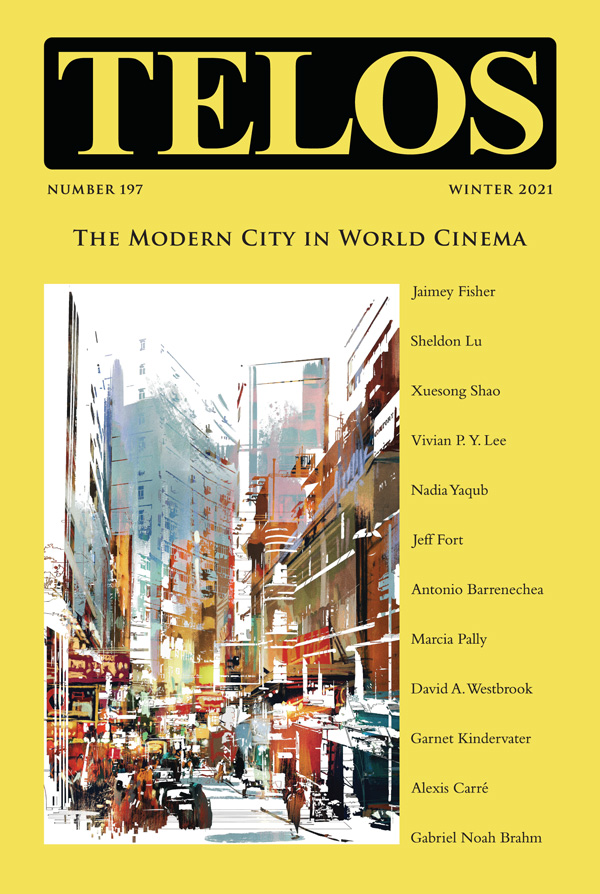



- The Proper Limits of Academic Freedom: Lessons from the Unrest at Columbia University The following essay is part of a special series of responses to recent events centered, for now, at Columbia University, and extending beyond its confines to include the wider array of societal problems that the disorder there symptomatizes. For details, see Gabriel Noah Brahm, "From Palestine Avenue to Morningside Heights."—Gabriel Noah Brahm, Director of the Telos-Paul Piccone Institute’s Israel initiative Columbia… (continue reading)
- From Palestine Avenue to Morningside Heights, the Crisis of the U.S. Academy after October 7: Announcing a New Series of Critical Takes on Higher Education and the Middle East Conflict A virulent, novel strain of anti-Zionist antisemitism is loose on the American campus. In the wake of October 7, 2023's barbaric terrorist assault on southern Israeli kibbutzim, a rave party, and a small military base, the Jewish state has been denounced loudly by extremists. As a consequence, Jewish students and faculty in the United States find themselves as unwelcome in the… (continue reading)
- Our Troubled Institutions: The End(s) of Higher Education, Post-Journalism, and Antisemitism after October 7 The fifth webinar in the Telos-Paul Piccone Institute's yearlong series reckoning with the response to October 7 will take place on Tuesday, May 7, 2024, at noon Eastern Time. Click here to register for the event. All subsequent panels are likewise scheduled for noon Eastern Time on the seventh day of each month. Panels will run between 90 to 120 minutes, followed by… (continue reading)
- The End of the Academy as We Knew It The following essay is the first in a special series of responses to recent events centered, for now, at Columbia University, and extending beyond its confines to include the wider array of societal problems that the disorder there symptomatizes. For details, see Gabriel Noah Brahm, "From Palestine Avenue to Morningside Heights."—Gabriel Noah Brahm, Director of the Telos-Paul Piccone Institute’s Israel initiative… (continue reading)
|
Telos has always celebrated rejuvenation and renewal, and in recent years we’ve embraced that change in a variety of ways. We’ve taken Telos online and digitized our complete archive, allowing institutional subscribers from around the world to access the journal over the Internet. We’ve created a regular conference series in New York City and another more recently in Europe, which have brought together an increasing number of scholars to discuss today’s critical issues in politics and philosophy . . . (continue reading) |
For over fifty years, readers from around the globe have turned to Telos to engage with the sharpest minds in politics and philosophy, and to discover emerging theoretical analyses of the critical issues of the day. Subscribe now and don’t miss a single issue! As a small independent publisher, we rely on both our individual and institutional subscribers. If your university does not subscribe to Telos, please encourage your librarian to begin a subscription. A printable recommendation form is available here. |


